A blue velvet can achieve an impressive abrasion result and still pull apart beside a tightly tailored seat seam, transfer color to an ivory cushion, or fade unevenly near a sunny window. The verdict for luxury living room design is clear: specify upholstery from documented end use, named test methods, construction data, cutting information, and workroom approval, not from the highest rub count.
Which upholstery fabric documents should be reviewed before specifying a luxury living room?
A luxury living room upholstery specification should begin with the fabric house’s current technical sheet, test reports, end-use statement, cleaning instructions, and warranty limitations. For indoor sofas, sectionals, lounge chairs, and ottomans, those documents must be checked against the furniture construction and the workroom’s written acceptance requirements.
A fabric-house end-use statement is the first suitability screen
Documented upholstery approval must precede interpretation of any abrasion result. Record the fabric house’s exact designation, such as “upholstery,” “multipurpose,” “decorative use only,” or approval subject to stated conditions. A showroom memo, sample label, or verbal assurance cannot establish suitability unless the fabric house confirms the represented article, colorway, finish, and intended application in writing.
Conditional approval requires particular care. Ask whether the fabric is permitted on tight upholstery, loose covers, tufting, deep channels, or curved forms, and whether high-use seating is excluded. Obtain written confirmation before adding latex, acrylic, knit, or another backing because third-party backing and stain treatments may alter cleaning behavior, hand, sewing performance, or warranty coverage.
A complete upholstery specification records more than a rub count
Use one dated schedule that identifies the source and verifier for every entry:
- Identity and construction: Record the fabric house, article, colorway, fiber content, weave or knit structure, finish, pile, and backing. The designer verifies these fields against the current technical sheet. The Association for Contract Textiles performance guidelines define a woven fabric as one formed by interlacing two or more perpendicular groups of yarns, a classification relevant when selecting the applicable guidance.
- Cutting information: Record usable width, meaning the width available after excluding selvages; horizontal and vertical repeat; pattern match; top direction; nap; and whether railroaded use is approved. The workroom verifies layout and yardage from a full-width sample when necessary.
- Performance evidence: Record each named test method, reported result, report date, tested color or construction, and issuing laboratory. Contract guidance can inform residential review, but it does not prove suitability for a particular household, furniture form, or seam construction.
- Care and restrictions: Record the cleaning code, written cleaning instructions, end-use approval, sunlight or color-transfer cautions, treatment restrictions, and warranty exclusions. The fabric house supplies these terms; the designer confirms that the household can follow them.
- Workroom acceptance: Obtain written approval for the actual furniture form, proposed seams, backing, pattern placement, and supplied yardage. Workroom acceptance concerns fabrication, not the accuracy of manufacturer data or independent laboratory results.
- Release control: Date every technical sheet, report, email confirmation, and sample reference. Reconfirm the specification before ordering because a finish, colorway construction, published restriction, or warranty term may have changed.
Once the document set is complete, the next decision is not which fabric has the largest number. It is how abrasion and pilling results should be interpreted for the proposed residential use.
How should abrasion and pilling results be interpreted for residential upholstery?
Abrasion and pilling results answer different questions and should never be collapsed into one durability claim. For indoor residential upholstery, record the named method, specimen condition, reported result, and intended use. Interpret Wyzenbeek and Martindale results within their respective procedures rather than treating their numbers as interchangeable.
Abrasion testing measures surface wear under a named laboratory procedure
Abrasion testing compares a textile’s resistance to surface wear under controlled contact and motion. ASTM D4157, commonly associated with Wyzenbeek testing, uses an oscillatory-cylinder apparatus and is often reported in double rubs to a defined endpoint. ASTM D4966 uses the Martindale apparatus and reports abrasion under its own multidirectional rubbing procedure.
Wyzenbeek, ASTM D4157: The report should state the double-rub result and endpoint. The test does not establish years of service, pilling performance, stain resistance, seam strength, or suitability for pets. Ask whether the result applies to the exact article, colorway, finish, and intended residential use.
Martindale, ASTM D4966: The report should identify the rubs or cycles, procedure, specimen, and endpoint. A Martindale result is not an equivalent Wyzenbeek result, and no responsible specification converts one number into the other. Ask whether the current technical sheet identifies enough detail to interpret the result.
Pilling, ASTM D4970 or another named method: The result addresses pill formation and related surface change rather than abrasion endurance. It is generally expressed as a visual grade after stated testing and conditioning. Ask whether the expected appearance is acceptable on the selected furniture form and colorway.
Primary living room seating needs evidence suited to frequent use, while lightly used formal seating may permit a more delicate textile if the fabric house and workroom approve it. A spectacular abrasion figure cannot compensate for an unspecified endpoint, unstable construction, or end-use restriction.
Pilling testing evaluates surface fuzzing and pill formation separately
Pilling occurs when loose fibers entangle into small surface balls through friction. ASTM D4970 evaluates pilling and related surface changes with a Martindale tester, followed by an ordinal visual assessment against the applicable standards. The report should identify the method, conditioning, test interval, and final appearance grade.
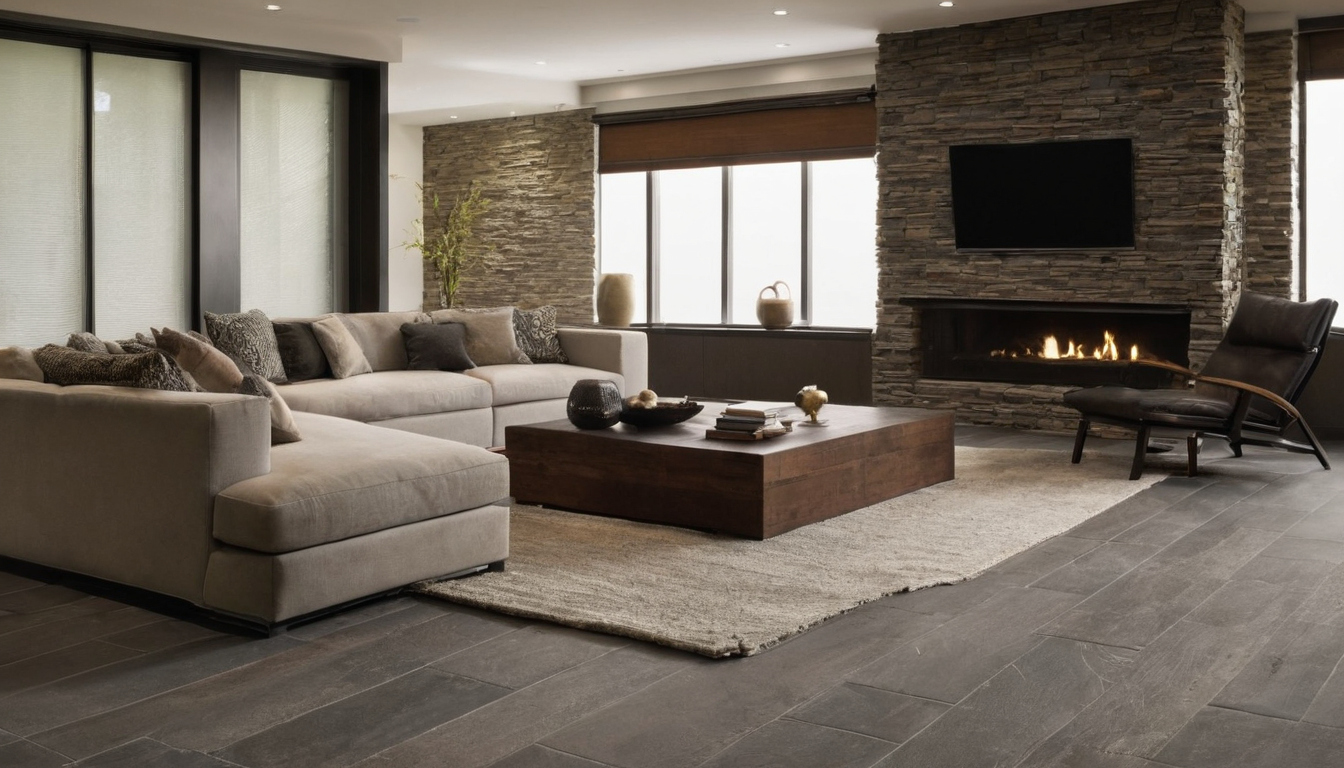
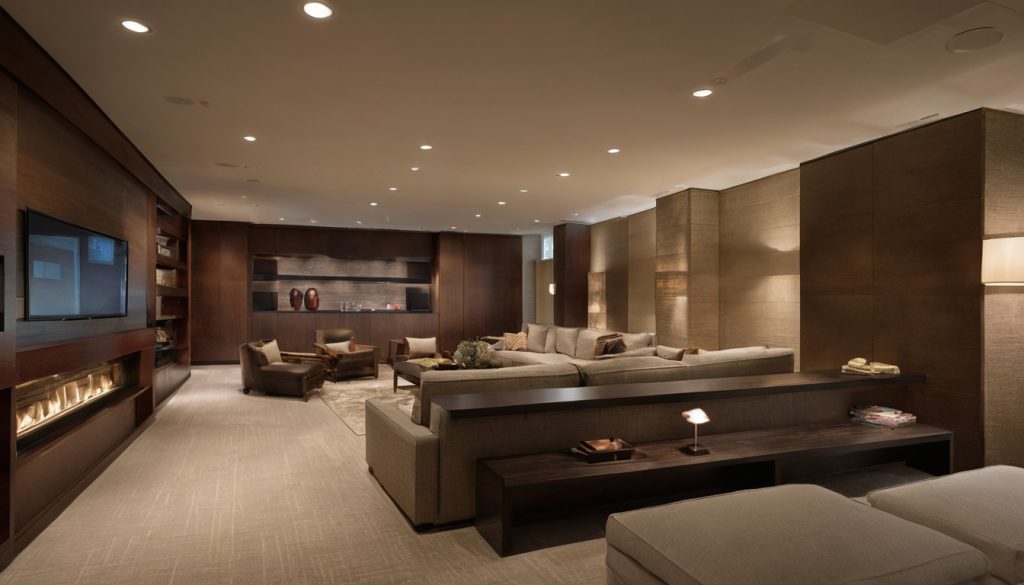
How should abrasion and pilling results be interpreted for residential upholstery shown with floor, wall, and fixture relationships visible.
A fabric may resist yarn breakage during abrasion testing yet develop objectionable fuzzing across a broad sofa cushion. Yarn structure, fiber content, finish, clothing friction, and maintenance can affect appearance, so request the current fabric-house pilling result for the exact article rather than inferring it from abrasion performance.
Laboratory thresholds do not predict an upholstery fabric’s service life
The Association for Contract Textiles performance guidelines state that referenced methods measure performance under standard laboratory conditions. ACT also characterizes its criteria as minimum requirements that may change and may not reflect every local requirement. The dated product report and applicable project conditions still govern the decision.
Never convert double rubs, Martindale cycles, or pilling grades into promised years of residential service. Household size, seating frequency, children, pets, clothing friction, spills, cleaning practices, and cushion rotation alter field conditions. Once surface performance is understood, determine whether seam stability, yarn movement, and backing will allow the textile to hold the furniture form.
Seam slippage, yarn movement, and backing determine whether a fabric can hold the furniture form
A fabric may resist surface abrasion yet fail where upholstery seams carry concentrated stress. Review seam-slippage evidence, weave stability, backing, and proposed tailoring together, especially for tight seats, deep buttoning, channeling, curved backs, and waterfall edges.
Seam-slippage evidence must match the textile construction and intended seam
Seam slippage is yarn displacement beside a sewn seam rather than surface wear or sewing-thread breakage. For woven upholstery, ASTM D4034 evaluates resistance to yarn movement at a standard seam. The report should identify specimen direction, procedure, units, result, and test-method edition rather than offering an unexplained “passes upholstery” statement.
The ACT Performance Guidelines provide separate guidance for woven, coated, and knit constructions, with additional distinctions between indoor and outdoor applications. Ask the fabric house to identify the applicable guideline, confirm results in the relevant fabric directions where required, and state any exclusions. Do not apply a woven-fabric result to a knit or coated textile.
- Tight seat or waterfall edge: Review yarn movement beside load-bearing seams.
- Deep tufting or channeling: Review distortion around pulls, folds, and closely worked seams.
- Curved or sculpted back: Review available ease and stress created by contouring.
Backing is a construction intervention, not an automatic upgrade
Knit, acrylic, latex, and other stabilization backings may reduce movement, but they can also alter hand, drape, breathability, needle penetration, cleaning behavior, and the way cloth eases around a curve. Before treatment, obtain written fabric-house authorization, confirm warranty consequences, and request the backing provider’s technical description, curing requirements, dimensional effects, and care restrictions.
The workroom should approve cutting, sewing, tufting, and application from a treated sample when the furniture form presents meaningful risk. Once structural stability is accepted, the review moves to what daily living can do to the surface: crocking, light exposure, and cleaning.
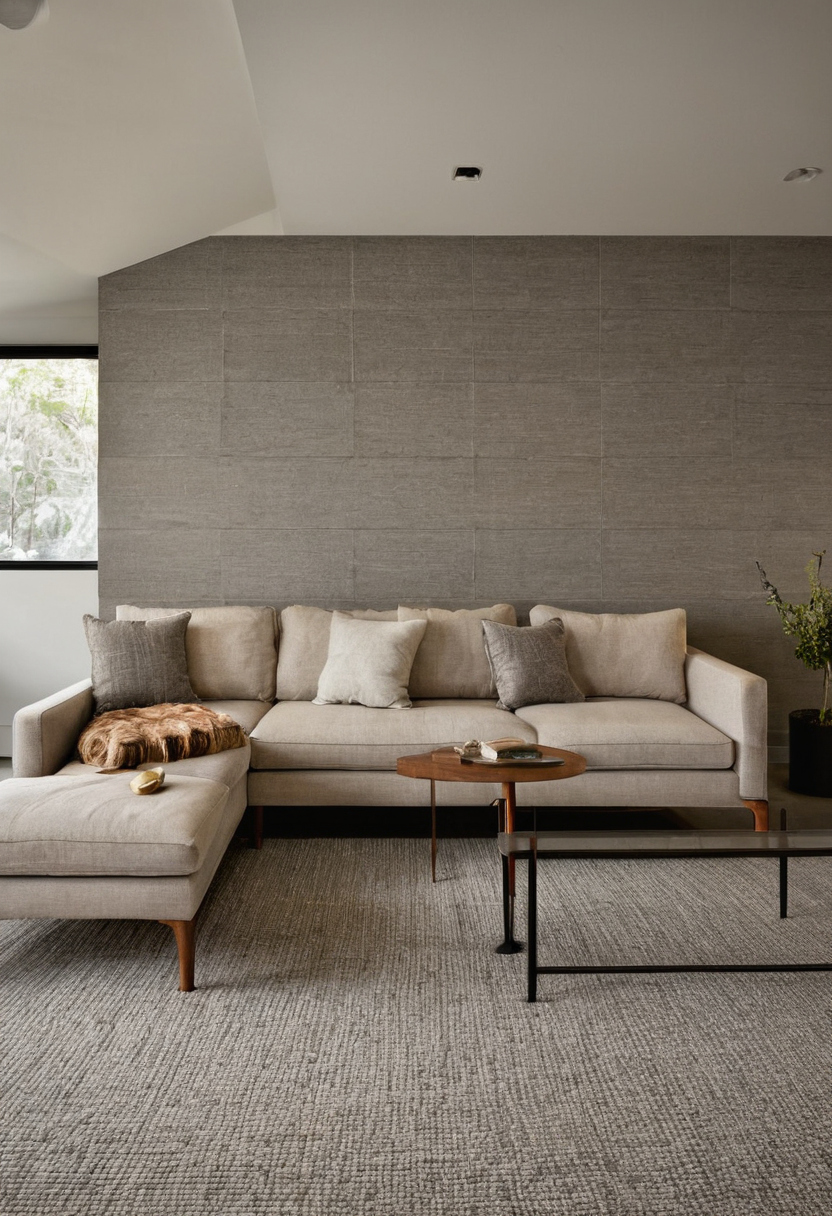
Seam slippage, yarn movement, and backing determine whether a fabric can hold the furniture form shown as a planning reference for layout, scale, and material decisions.
Which colorfastness, crocking, light, and cleaning results matter in a living room?
Color performance must match the living room’s documented daylight, clothing contact, household spills, and maintenance plan. Crocking measures color transfer through rubbing, while lightfastness measures color change under controlled exposure; neither establishes stain resistance. Cleaning instructions must also suit the household and proposed professional care.
Crocking documentation: Record the method and separate dry and wet results. These results address color transfer under defined rubbing conditions.
Lightfastness documentation: Record the named method, exposure option, result scale, tested colorway, and fabric-house sunlight exclusions. The test addresses response to a controlled exposure, not a guaranteed fading date in the room.
Stain-treatment documentation: Confirm the substances covered, exclusions, maintenance requirements, cleaning compatibility, retreatment requirements, and warranty terms. A finish described as stain resistant is not proof that every spill can be removed.
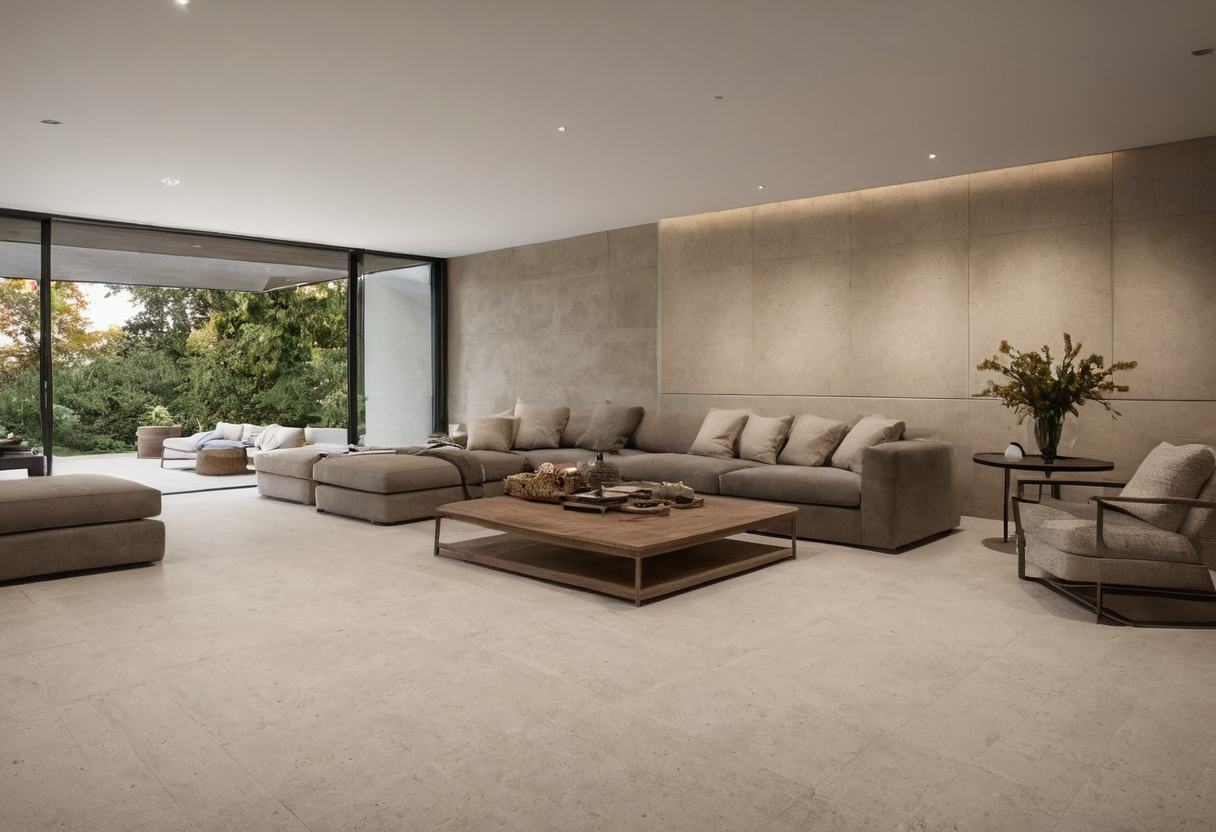
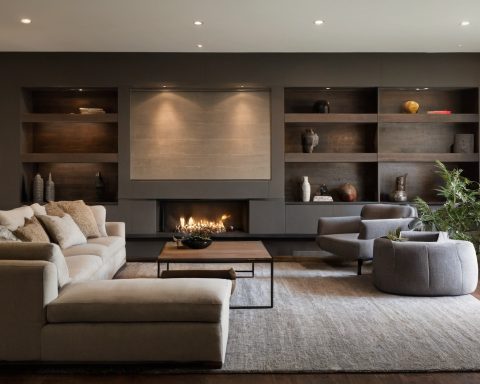
Which colorfastness, crocking, light, and cleaning results matter in a living room shown with floor, wall, and fixture relationships visible.
Cleaning documentation: Retain the current cleaning code, routine-care directions, prohibited agents, and professional-cleaning limitations. A cleaning code identifies permitted cleaner categories rather than overall cleanability.
Crocking results address dry and wet color transfer
AATCC Test Method 8 evaluates color transferred from a textile to a standard rubbing cloth and reports dry and wet results separately. A useful report identifies the method, rating scale, tested colorway, and applicable fabric construction.
The ACT Voluntary Performance Guidelines recognize Wet & Dry Crocking and Colorfastness to Light among their marked durability categories. For saturated upholstery beside ivory drapery, pale carpet, or light clothing, request the actual result rather than accepting “passes contract” as a complete answer. Any caution involving indigo, prints, velvet, or saturated dyes must come from the exact article’s documentation.
Lightfastness evidence must be reviewed against the room’s exposure
AATCC Test Method 16 includes controlled light-exposure options, so a useful report identifies the option, exposure conditions, rating system, and tested colorway. The laboratory result cannot supply a fading date for a particular luxury living room design.
The project file should instead record window orientation, periods of direct sun, glazing or shading, and furniture position. Compare those conditions with the fabric house’s sunlight exclusions and warranty language. Move, shade, or reject the textile if the exposure falls outside the supplier’s stated limits.
Cleaning codes do not prove stain resistance or cleanability
Cleaning codes describe permitted cleaner categories: W generally indicates water-based agents, S solvent-based agents, WS or SW either category, and X vacuuming or brushing without liquid cleaner. Confirm the definition on the current fabric-house sheet because the code does not promise stain release, safe household experimentation, or successful removal of every spill.
Any stain-resistant finish needs separate documentation covering excluded substances, retreatment, and warranty conditions. Furnishings and cleaning products can be indoor sources of volatile organic compounds, according to the U.S. Environmental Protection Agency. Treatment and cleaner selection should therefore account for indoor use, with appropriate ventilation where a product emits volatile organic compounds.
Once color and care are defensible, width, repeat, direction, and pile determine whether the workroom can quote and cut the fabric correctly.
Width, repeat, direction, and pile must be resolved before the workroom quotes yardage
Yardage cannot be finalized from nominal width and furniture dimensions alone. The workroom needs usable width, horizontal and vertical repeat, pattern direction, pile direction, matching requirements, and allowances for flaws or edge loss. These particulars must come from current fabric-house data and the workroom’s cutting plan.
Nominal width is the stated roll width; usable width excludes selvages or other edges that cannot appear in the finished upholstery. Horizontal repeat measures motif repetition across the width, while vertical repeat measures repetition along the roll.
A straight match aligns motifs on the same horizontal line. A half-drop repeat offsets adjoining motifs vertically and changes the cutting layout. Pile direction records the approved orientation of velvet, chenille, or another raised surface because reversing pieces can alter apparent color and light reflection.
Railroaded upholstery fabric must be approved, not assumed
A railroaded fabric is woven or printed so its approved orientation runs across the roll, allowing the width to extend along a sofa or banquette. Rotation must not be inferred from appearance. The fabric house must confirm railroadability and disclose directional, structural, finish, or warranty restrictions; the workroom must confirm that usable width covers the intended span.
Pattern placement is a design decision with measurable yardage consequences
The workroom needs furniture elevations, cushion counts, the approved face and top, seam locations, and written matching instructions. Centered motifs, matched adjoining cushions, mirrored arms, dominant stripes, skirts, arm covers, and reserved repair fabric can increase yardage.
The quote should follow a cutting estimate that accounts for repeat, selvage, flaws, memo limitations, cutting loss, and the approved matching standard. Once that layout is accepted, documented workroom approval becomes the final control before the fabric order is released.
A documented workroom approval is the final control before upholstery fabric is ordered
The final purchase decision should follow a written approval chain, not an informal assurance that a textile is “performance” or “contract grade.” Before releasing non-cancellable yardage, the designer should send the workroom the current technical sheet, an accepted sample format, furniture details, and every proposed backing or treatment.
The workroom must review the actual furniture form and fabric sample together
A memo sample rarely reveals enough about drape, thickness, pattern scale, or directional behavior. The participating workroom should state its minimum sample requirement and review it with furniture drawings or photographs, cushion construction, seam locations, welt treatment, and pattern-placement instructions.
The workroom may request a full-width cutting, strike-off, trial seam, or upholstered mock-up where loose weaves, heavy repeats, pile, fragile yarns, backing, or tight tailoring create uncertainty. Furniture dimensions and textile approval should remain separate from the need to verify seating dimensions, circulation, and delivery access.

A documented workroom approval is the final control before upholstery fabric is ordered shown with floor, wall, and fixture relationships visible.
Dye lot, roll inspection, and claims procedures must be settled before cutting
- Designer approval: Confirm the article, colorway, quantity, repeat, direction, treatment, pattern placement, and accepted dye lot with the client.
- Fabric-house confirmation: Obtain current claims, returns, cutting-approval, warranty, and replacement policies.
- Fabrication approval: Have the furniture maker, backing provider, and workroom record reservations, treatment compatibility, required yardage, and intake conditions.
- Roll inspection: Require the workroom to inspect delivered rolls for labels, quantity, lot, shade, direction, and visible defects before cutting.
- Release or stop: Stop work for discrepancies, shortages, undocumented treatments, or unresolved fabrication concerns. Cutting begins only after written resolution.
The written release should assign freight, storage, reinspection, and schedule responsibility if fabric is rejected. Where appropriate, reserve same-lot repair yardage before cutting. The practical change is simple: a beautiful fabric is not ready to order until the documents, test interpretation, cutting plan, and workroom approval form one traceable release chain.
Frequently asked questions
What is the most luxurious sofa fabric if performance documentation is also required?
No fiber or weave is universally the most luxurious. A well-documented mohair velvet, wool textile, silk blend, linen blend, or finely woven synthetic may be appropriate, depending on end-use approval, surface behavior, seam stability, cleaning restrictions, light exposure, and the furniture form. Luxury lies in choosing the right hand and appearance without concealing the material’s limitations.
Is a higher upholstery rub count always better for a luxury living room?
No. A higher result under one abrasion method does not establish better pilling, seam stability, colorfastness, cleanability, or service life. Compare fabrics only when the method, endpoint, specimen, and intended use are understood, and never equate Wyzenbeek and Martindale results.
Where do high-end interior designers obtain upholstery fabric test reports and technical sheets?
Designers request current documents from the fabric house, showroom, or authorized representative. Laboratory reports, technical sheets, warranty terms, treatment approvals, and written end-use confirmations should be retained with the exact article and colorway specification.
Can a decorative fabric be backed to make it suitable for upholstery?
Sometimes, but backing does not automatically create upholstery suitability. The fabric house must authorize the proposed treatment, the backing provider must document its effects and restrictions, and the workroom must approve the treated textile for the actual furniture construction.